
Anyone Can Be a Safety Leader
You don't need a title to inspire change. You need the willingness to act.

"If your actions inspire others to dream more, learn more, do more and become more, you are a leader."
— John Quincy Adams
The Challenge: We've Confused Authority with Leadership
Could it be that we've gotten safety leadership all wrong?
Walk into most organizations and ask who the safety leaders are, and people will point to the same handful of roles. Nine times out of ten, they will point to someone in safety. We've created this myth that safety leadership lives in a job description, that it requires a certain position on an org chart or a specific set of credentials after your name.
Meanwhile, the frontline supervisor who redesigns a workflow to eliminate a pinch point? Not considered a safety leader. The operator who speaks up about a near-miss and suggests a procedural change? Just doing their job. The maintenance technician who develops a better lockout checklist? Helpful, but not "leadership."
This narrow view of safety leadership doesn't help progress. It concentrates responsibility in too few hands, disempowers the people closest to the work, and ignores the fact that the people who do the work know the work best. When we don't consider them as safety leaders, we lose their insights, their initiative, and their influence.
Worse, it perpetuates the very blame culture we claim to reject. When only certain people are "safety leaders," then everyone else becomes just a "worker" who needs to be supervised, corrected, and held accountable. The system stays broken because we're waiting for someone with the right title to fix it.
The Real Work of Safety Leadership: Influence Through Action
Safety leadership isn't about authority; it's about influence. It's not about your position in the hierarchy; it's about your willingness to make things better.
Anyone can be a safety leader, especially since you're capable of this outlook:
- You know the system can be improved. When an incident occurs, instead of fearing blame or wondering who screwed up, ask "What about our process allowed this to happen?" Anyone can recognize that people consistently produce bad outcomes when the system is flawed. Anyone can point out when procedures are incomplete, expectations aren't clear, priorities compete, or timelines are unrealistic.
- You leverage know-how to do the right thing. Anyone can write another rule or create another checkbox, but real leaders remove obstacles. They use knowledge of their work to question requirements that no longer serve their purpose, or sometimes it's as simple as a gut feel that something doesn't seem right. They challenge practices that exist only because "that's how we've always done it."
- You bring forward solutions for the greater good. Safety leaders don't just identify problems; they translate them into actionable changes. This is not role-dependent, it requires everyone playing their part. They look out for each other.
None of these require a corner office or a fancy title. They require curiosity, courage, and commitment to improvement; things you're already capable of.
The Opportunity: When Everyone Leads, Everyone Wins
Imagine a workplace where every single person, regardless of role, sees themselves as a safety leader.
The operator who notices that the new gloves make it harder to grip tools doesn't just complain; they bring it up in the safety meeting with a proposal for alternative options. The coordinator who realizes a new scheduling practice is creating fatigue risks doesn't wait for permission; they document the pattern and present it to leadership with data. The engineer who identifies a design flaw doesn't pass it off as "operations' problem"; they work with the team to redesign it.
This isn't fantasy. This is what happens when we democratize safety leadership. When everyone understands they can identify problems AND influence solutions, organizations elevate their safety performance. Safety becomes integrated into how work gets done, not added on as an afterthought. Innovation accelerates because the best ideas come from those closest to the work. Engagement soars because people feel ownership rather than just accountability.
The How: Your Safety Leadership Playbook
Become a safety leader, regardless of your job title, by shifting how you see your role.
- Notice patterns instead of isolated events. When you see someone take a shortcut, ask yourself: "What about our system makes this shortcut feel necessary?" When procedures aren't followed, investigate: "What barriers exist that make the procedure difficult?"
- Speak up with data, not just opinions. Document what you observe. Take photos. Note the time, conditions, and circumstances. When you bring concerns forward with specific evidence, you're harder to dismiss. You're also demonstrating that you've thought it through. "I think this is unsafe" is a starting point. "I've observed this situation five times this week, here are the photos, and I've talked to three other people who've experienced the same thing" is leadership.
- Build bridges, not walls. Safety leaders understand that everyone is trying to do their best within the constraints they face. Production isn't the enemy of safety. Budget restrictions aren't personal attacks. Approach every conversation with genuine curiosity about others' constraints and priorities. Ask: "Help me understand the challenges you're facing" before you explain yours. Find the overlap between safety and other business objectives. There's almost always one.
- Start small, but start. You don't need to revolutionize the entire safety program. Pick one problem in your immediate sphere of influence. Make it better. Document what you learned. Share it with others. Then pick the next one. Small improvements compound. One person making one system better creates an example for others to follow.
Take Action Today: Start Inspiring Others
You don't need to wait for permission, a new title, or the perfect moment to be a safety leader. Start inspiring today; here's what you can do right now:
In the next hour: Identify one safety-related inefficiency or risk in your work area. Not a person who needs coaching, a system feature that needs improving. Write it down with specific details about when and how it manifests.
This week: Share your observation with one other person who could help address it. Frame it as a system problem with a potential solution, not a complaint. Start with "I've been thinking about how we could improve..."
This month: Volunteer to lead one small improvement. Maybe it's redesigning a checklist, organizing tools differently, or testing a new pre-job briefing approach. Make the change, measure the result, and share what you learned.
Remember John Quincy Adams' wisdom: leadership isn't about your title, it's about how your actions inspire others. When you identify a problem and take initiative to solve it, you're not just making things safer. You're showing others what's possible. You're giving them permission to lead too.
That's how cultures change. One person acts. Others notice. They're inspired to do more, learn more, become more.
That one person can be you.
Safer, by Design
About the Author
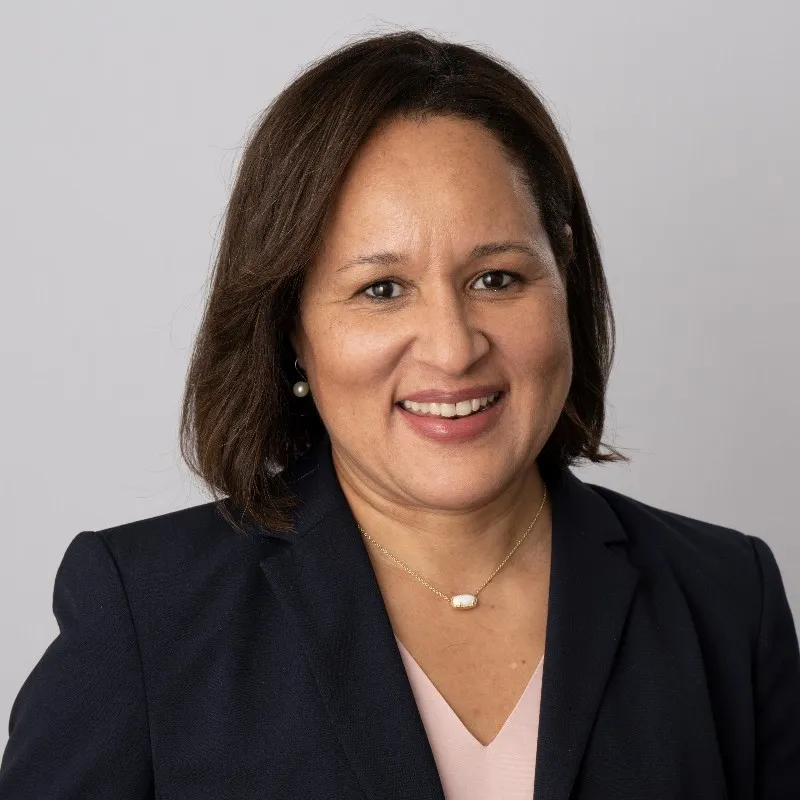
Terri Willis is the founder of TrueMomentum Safety. She aspires to equip everyone in your organization to make safety a natural part of how they work. Terri's insights help teams turn safety challenges into real solutions, creating workplaces that are Safer, by Design. You can learn more on the about page.