
Lagging Indicators Offer a Rear-View
Organizations celebrate 365 days without a lost-time injury. The board gets updated. Leadership congratulates the team. Everyone feels accomplished. Then day 366 happens.
This article is part of the Reactive vs Proactive: Safety in Practice series, exploring how safety shows up in everyday work.
Reactive Reality
The celebration stops. The investigation begins. What changed? Often, nothing. The conditions that led to the incident existed all along. The lagging indicators just couldn't see them yet.
As explored in a previous article, Transition from Reaction to Prevention, organizations often fall into the trap of focusing solely on what went wrong. Lagging indicators feed this blind spot by keeping teams looking backward, treating symptoms instead of building the capabilities that prevent incidents in the first place.
In reactive safety cultures, lagging indicators dominate the conversation. Days since last incident, total recordable injury rate, lost-time cases, workers' compensation costs.
These metrics matter. They track consequences and provide accountability. But they share a fundamental limitation. They only reveal what already happened. Lagging indicators are measurements of what already occurred, not signals of what's coming. By the time the numbers change, the opportunity to prevent harm has passed.
A workplace can go months without an incident while weak signals multiply beneath the surface. Near misses go unreported. Shortcuts become normalized. Communication breaks down. People stop speaking up. The system becomes fragile, but the lagging indicators stay green.
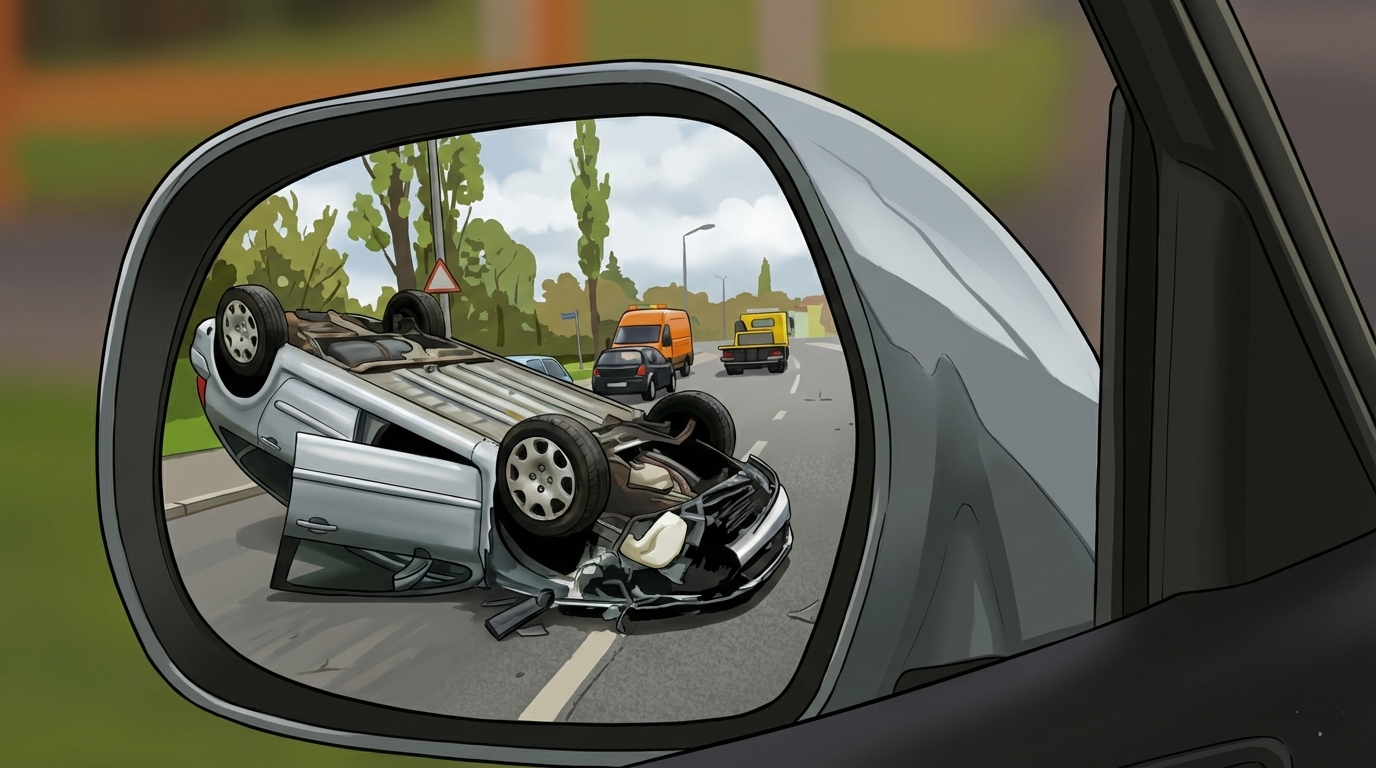
When the incident finally occurs, it feels sudden. In reality, the conditions existed long before the numbers reflected them. This is the danger of driving forward while staring in the rear-view mirror.
Proactive Perspective
Proactive safety cultures understand that lagging indicators are incomplete without leading indicators. Leading indicators track the conditions, behaviors, and systems that either strengthen or weaken safety before incidents occur.
The shift from lagging to leading changes the questions leaders ask. Reactive leaders ask how many incidents occurred last month. Proactive leaders ask how many near misses were reported, how often workers used stop-work authority, and how many safety conversations happened at the frontline.
Leading indicators focus on capability, not just consequences. Questions shift to whether people are speaking up about concerns, whether hazards are identified before work begins, whether teams pause when conditions change, and whether leaders are visible and engaged in real-time safety discussions.
These indicators reveal organizational health. They show whether people have the skills, authority, and trust needed to prevent incidents before they happen.
Frontline Insight
From the frontline, the emphasis on lagging indicators overshadows what actually prevents incidents.
Lagging indicators show up in monthly reports and safety meetings. They feel distant from the work itself. A worker who avoided an incident through good judgment or the courage to stop unsafe work sees none of that reflected in the lagging metrics.
Leading indicators, when tracked well, reflect real-time decisions and behaviors. They acknowledge the near miss that was reported. The pre-job briefing that identified a hazard. The moment when someone spoke up and work stopped.
When organizations only celebrate lagging indicators, they miss the opportunity to reinforce what actually keeps people safe. The message becomes don't get hurt. The better message is to use judgment, communicate openly, and take action when something feels wrong.
Frontline workers know safety is built in real time, through daily decisions and the courage to speak up. Proactive organizations recognize and strengthen these behaviors.
What This Means
Lagging indicators are not the problem. The problem is placing primary emphasis on them at the expense of other measures.
Organizations that rely solely on lagging indicators miss early warning signs, fail to recognize strong safety behaviors, and operate reactively. Organizations that balance lagging with leading indicators surface weak signals before they become incidents, reinforce the behaviors that prevent harm, and build capability proactively.
The goal is not to eliminate lagging indicators. The goal is to complement them with measures that reflect real-time capability, engagement, and resilience.
Lagging indicators tell the story of what happened. Leading indicators shape the story of what comes next. Driving forward requires a balance of knowing when to look behind, while looking forward; organizations that focus only on the rear-view will always arrive too late... or not all.
Safer, by Design
About the Author

Terri Willis is the founder of TrueMomentum Safety. She aspires to equip everyone in your organization to make safety a natural part of how they work. Terri's insights help teams turn safety challenges into real solutions, creating workplaces that are Safer, by Design. You can learn more on the about page.