
Safety You Can See. Live. Lead.
In strong cultures, safety isn't written in policies and standards alone; it's visible in how leaders show up, lived in how teams interact, and led from every level of the organization.
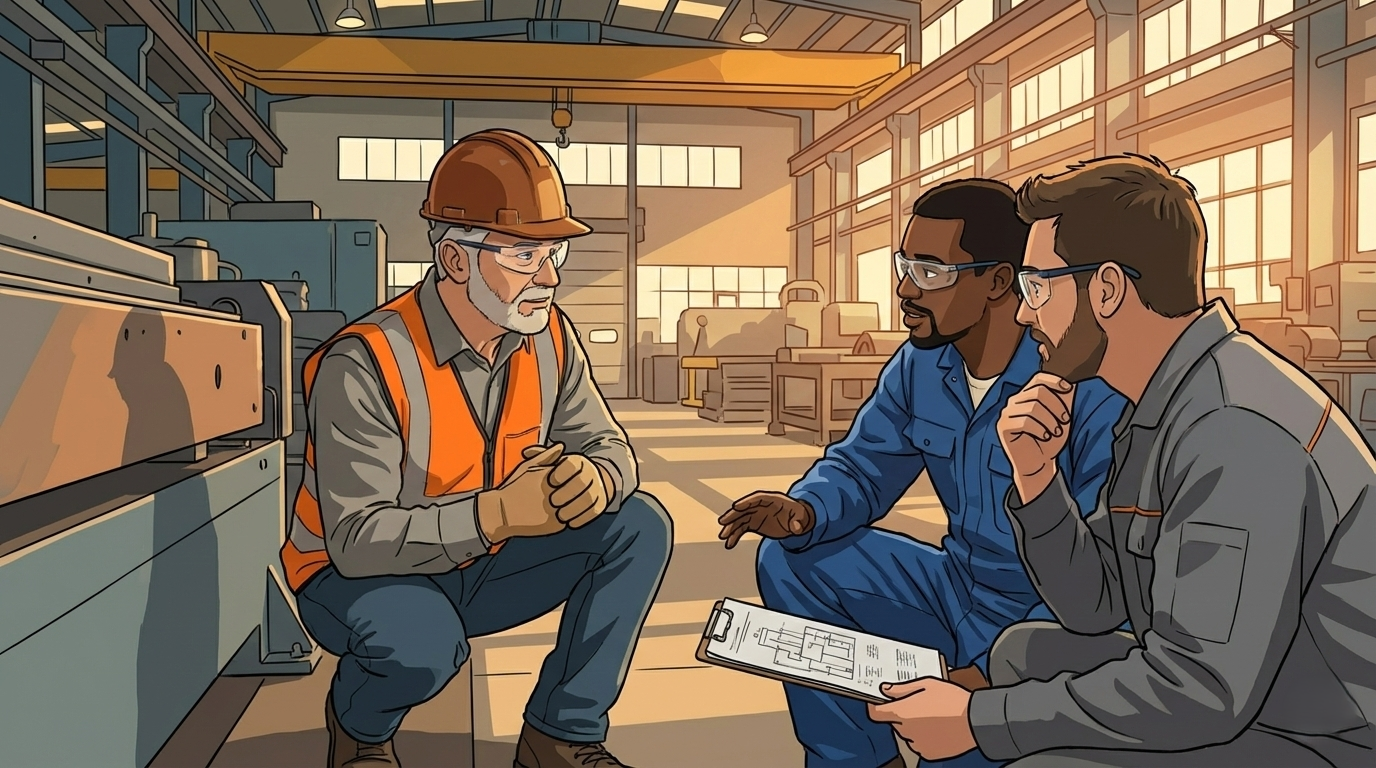
“You can’t talk your way out of something you behaved yourself into.”
— Stephen R. Covey
Real safety conversations happen on the frontline where leaders show up and listen with keen interest; close to the fire, where the action unfolds. The culture you have, is the one your behaviors have created. In safety, policies don't build trust, presence does. Standards don't create accountability, leaders do. And no amount of policies or standards can substitute for the moment an employee speaks up about what doesn't feel right.
The Challenge: When Safety Becomes Administration
Recently, during a lunch conversation, a senior executive made a statement that instantly clicked:
"I came from Dowell."
That was nostalgic for me. I came from Dowell too. Dowell, a legacy oilfield services company known for embedding safety into its operational DNA, wasn't just a workplace. It was an identity. For those who knew, the implication was understood; safety was non-negotiable. Not because there were more rules or better reports. Safety wasn't hidden behind binders and slogans; it was visible in leadership decisions, integrated into daily conversations, and expected behavior at every level. When it was time for structured safety meetings, everyone stopped what they were doing to attend.
Safety wasn't a campaign. It was a culture, something people carried with them long after they left. What made Dowell's approach work wasn't mystery. It was visibility. Yet in many organizations today, that visibility has faded.
Safety has become increasingly procedural, layered with requirements, audits, training modules, dashboards, and metrics. All of it has a place. The intent is good. The investment is real. But somewhere in that layering, something critical fades. When safety can only be found in documents and metrics, it isn't culture. It's administration.
The warning signs are subtle but unmistakable:
- Workers wear PPE only when supervisors are nearby
- Toolbox talks are monologues people endure, not conversations they engage in
- Incident reviews hunt for someone to blame instead of something to fix
- Stop-work authority is written into policy, but exercising it feels risky
The consequence is predictable, near-miss underreporting and a quiet gap between what's written and what's lived. Frontline teams learn to read the room and adjust their behavior accordingly. This isn't a training problem. It's a leadership visibility problem and it's costing organizations more than they realize in trust, engagement, and preventable incidents.
The Opportunity: The Foundation of Everything Else
Early in my career, I tried to impress a Senior Manager with an elaborate answer about my role as a Frontline Manager in charge of operations. After a few attempts, the response came back simple and clear: "Keep your people safe and deliver quality service. That's it. Everything else will follow."
The strongest safety cultures still operate on that premise. Not twenty competing priorities. Just clear anchors that mandate protection of people and delivery of excellence.
When concerns arose about whether a job could be done safely, the leadership support I experienced was unwavering. There was no coercion to deliver at any cost. There was trust to make the right call on behalf of the organization. If the caution seemed excessive, there were discussions on the approach and how to alleviate concerns, not pressure to proceed regardless.
That trust created something powerful. When leaders genuinely hold the line on those two responsibilities, something remarkable happens. Teams speak up early instead of staying silent. Standards rise organically rather than through enforcement. Ownership replaces compliance. People protect and look out for each other because they want to, not because they have to.
And all the outcomes leaders chase, productivity, reliability, engagement, profitability, follow naturally when safety and quality anchor the culture. Safety doesn't compete with performance. It creates performance.
The How: Making Safety Visible
The challenge isn't creating more safety content. It's making safety visible in the places where work actually happens, in the conversations supervisors have with crews, in the decisions leaders make under pressure, in the daily behaviors that signal what's truly valued.
Operationalizing safety means moving it from policies and standards into observable, lived experiences. It means creating conditions where safety becomes something teams can see in leadership presence, live through daily interactions, and lead from every level of the organization. This isn't about adding complexity. It's about activating clarity in three distinct but connected ways.
Safety You Can See
Leadership presence matters more than leadership pronouncements.
Consider two supervisors managing similar crews. The first conducts safety walks because they're scheduled, follows the checklist, and moves on. The crew straightens up when they arrive and returns to baseline when they leave. They've never seen this supervisor refuse to start a job or push back on an unrealistic deadline.
The second supervisor walks to the site without a clipboard, asking, "What's making your job harder today?" Last month, when pressure mounted to shortcut a rigging inspection, they refused to start. The schedule slipped for four hours. The crew watched that call being made and they haven't forgotten.
Which crew speaks up when something doesn't look right?
Safety becomes visible when leaders are physically present in the work environment, ask open-ended questions that invite honesty, and refuse to start work when conditions aren't right, even when it costs something.
Workers watch what leaders do far more closely than what they say. Visibility builds credibility. Credibility builds trust. Trust builds culture.
Safety You Live
Safety is lived through daily interaction, in the small moments that never make it into reports.
A mechanic notices an unusual vibration in equipment during routine maintenance. It's subtle. The machine is still running within spec. Reporting it means paperwork and potential delays.
In one organization, they've learned to keep quiet. Last time someone flagged a minor concern, they spent two hours in a meeting that felt like an interrogation.
In another organization, they flag it immediately. The supervisor thanks them and asks the crew to take a look together. They discover a bearing showing early failure signs, something that would have caused a breakdown within weeks. The potential cost, possibly in excess of $200K in downtime, with injuries, and a week of lost production. The actual cost of that good catch, fifteen minutes and a replacement bearing. The supervisor mentions it in the next team meeting (as a Safety Moment), highlighting, "Good catch. This is exactly what we need."
Same mechanic. Same observation. Completely different outcomes.
Safety becomes lived when leaders create space for frontline voices, treat near-misses as learning opportunities, respond to reporting with gratitude first, and support employees who refuse to start work under unsafe conditions. When teams believe speaking up will help rather than hurt, safety becomes part of everyday behavior.
Safety You Lead
Safety leadership isn't positional. It's behavioral.
Imagine, a drilling crew faces an unexpected situation. Weather conditions have shifted. The original plan is still technically feasible, but margins have tightened. The crew supervisor calls for a pause, "Let's take fifteen minutes and talk through this. I don't like how tight this feels."
In some safety cultures, that voice gets overruled: "We're already behind. Push through." The crew supervisor learns that speaking up creates friction. Next time, they may stay quiet.
In stronger safety cultures, that voice gets backed: "Good call. Let's walk through the risk." The crew supervisor's judgment gets validated, and everyone watching learns that raising concerns is valued. The crew adjusts the plan, completes the job safely the next day, and that fifteen-minute pause becomes the story employees tell new hires.
Leadership happens at every level. Crew members can challenge unsafe conditions. Supervisors can support decisions to not start work without second-guessing. Managers can defend safety over schedule pressure when it escalates.
Trust is built in exactly those moments when leaders choose safety even when it costs them something. Leaders who absorb those costs visibly, without complaint, without passing blame downward, teach their organizations something no training module ever could.
Safety leadership is proven under pressure, not during business as usual.
The Bottom Line: What Culture Looks Like
The executive at lunch that day didn't describe Dowell's safety program. They simply said where they came from. That was enough said. This doesn't mean Dowell always got it right, but it was a start that shaped how people thought about safety.
The path there isn't complicated. It just sets the bar high on expectations. It requires leaders who show up, listen, and make decisions because protecting people isn't a priority to balance against others; it's the foundation everything else rests on. And employees respond accordingly.
As Stephen Covey reminds us: "You can't talk your way out of something you behaved yourself into." The culture you have is the one your behaviors have created. If you want a different culture, start with different behaviors.
Take Action Today
- Have one real conversation with a frontline employee. Not a checklist! Ask: "What's one thing that makes your job harder or less safe than it needs to be?" Then listen. Then follow up.
- Examine the gap between stated values and lived experience. Where does safety show up in behavior, not just in reports? Can people describe the culture without referencing documents or slogans?
- Audit recognition patterns. When was the last time someone was publicly celebrated for raising a concern or refusing to start work under unsafe conditions? If the answer is rare, the culture is sending a message, just not the one intended.
- Schedule time to observe work without a clipboard or agenda. Just be present. Watch what happens. Notice what people do when they think no one's watching.
Let behavior define your culture. Start behaving your way into the culture you want, today. When safety becomes visible in leadership behavior, everything else follows.
Safer, by Design
About the Author
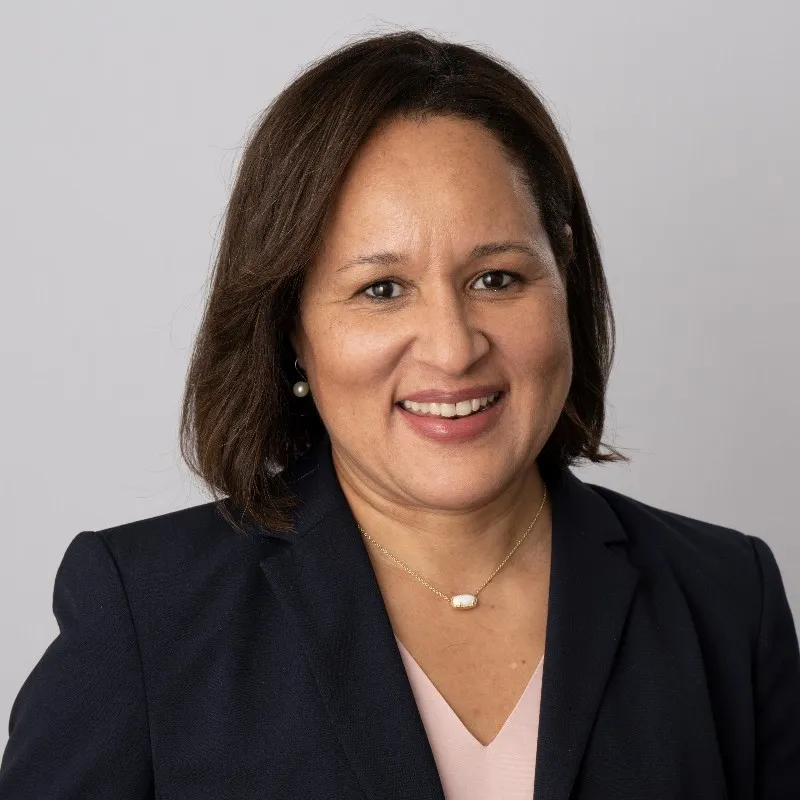
Terri Willis is the founder of TrueMomentum Safety. She aspires to equip everyone in your organization to make safety a natural part of how they work. Terri's insights help teams turn safety challenges into real solutions, creating workplaces that are Safer, by Design. You can learn more on the about page.