When Safety is Owned by "Someone Else"
Attention to safety tends to spike after something goes wrong. This article explores the gap created by assigned ownership and what becomes possible when responsibility is genuinely shared.
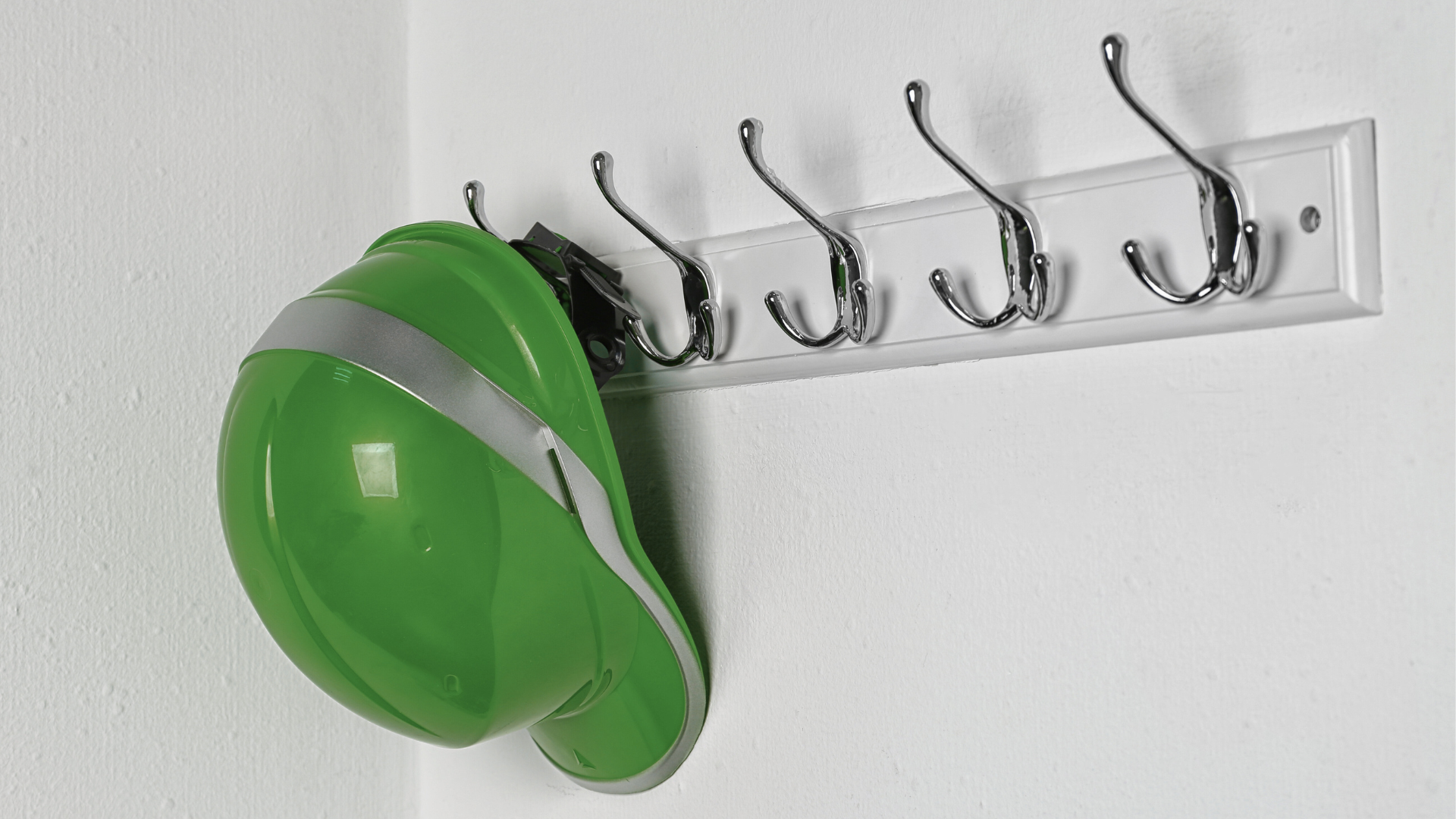
This article is part of the Reactive vs Proactive: Safety in Practice series, exploring how safety shows up in everyday work.
Reactive Reality
Safety often becomes visible only after something goes wrong. This reactive pattern stems from how ownership is assigned. For example, when safety gets assigned to someone such as a safety manager, a site leader, or that safety function housed in another building, on paper, ownership appears clear and well-organized. In practice, the delegation removes safety from everyday decisions. When safety has a designated home, the assumption often follows that someone else is handling it.
This assumption shapes how attention works. After incidents, focus spikes. Near misses trigger reviews. Accidents prompt investigations and corrective actions. Meetings are held, reports are written, attention temporarily increases.
Outside of these events, safety fades into the background. Work continues, trade-offs are made, and safety is assumed to be covered by whoever was assigned to manage it. The topic becomes something discussed during audits or scheduled reviews rather than something actively shaping decisions in real time.
Even when leaders genuinely care, assigned ownership spreads responsibility thin. Safety remains important in principle but isn't consistently present in practice, until an event demands it.
Proactive Perspective
In more proactive environments, safety expertise still exists and dedicated roles still matter. What changes is how ownership is understood and lived.
Safety is no longer treated as the responsibility of one function alone. It becomes a shared condition of work, showing up in planning conversations, in discussions about resources and timelines, and in how risks are considered before work begins. Leaders don't wait for an incident to engage. They ask questions, notice small signals, and address potential issues early.
Ownership in this perspective is less about control and more about attention. Safety isn't something handed off. It's something carried into decisions, conversations, and actions every day.
Frontline Insight
One of the most persistent assumptions in safety is that leadership comes with a title.
I explored this idea more deeply in a previous article, Anyone Can Be a Safety Leader, where I wrote about safety leadership as influence through action rather than position.
On the frontline, the difference is easy to see.
When safety is owned by "someone else," people wait. Concerns are noticed but not always raised. Decisions feel constrained by who is authorized to act. Responsibility feels conditional.
In environments where safety is genuinely shared, people speak up sooner. Leaders are present before issues escalate. Conversations about risk feel normal, not exceptional. Work still carries complexity, but it feels more considered.
These differences rarely appear in incident reports or dashboards. They show up much earlier, in how people talk, what they notice, and how responsibility is experienced day to day.
What This Means
When safety is assigned to "someone else," the practice lives in reaction. Incidents become the primary signal. Attention follows accidents rather than preventing them.
When safety is shared, the practice moves earlier into the work itself. Safety becomes part of how decisions are made, not just how incidents are reviewed.
Proactive safety does not require perfect systems or flawless execution. The practice starts with asking better questions earlier, noticing smaller signals sooner, and treating safety as something carried into decisions rather than something managed from a distance.
When safety only shows up because someone designated shows up, the opportunity is clear; make safety something everyone carries into the work, every day... before anything goes wrong.
Safer, by Design
About the Author
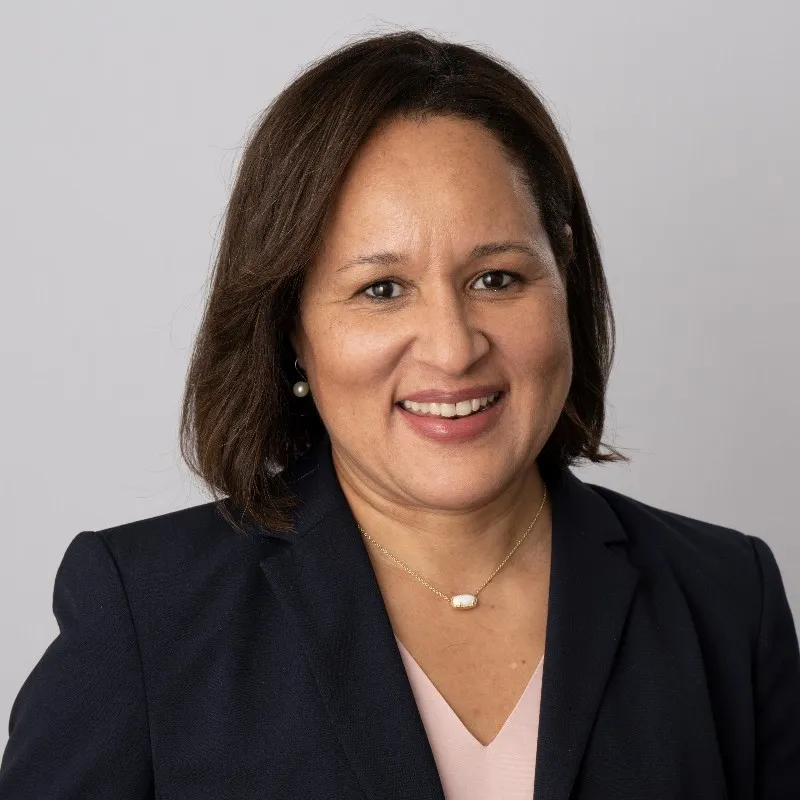
Terri Willis is the founder of TrueMomentum Safety. She aspires to equip everyone in your organization to make safety a natural part of how they work. Terri's insights help teams turn safety challenges into real solutions, creating workplaces that are Safer, by Design. You can learn more on the about page.