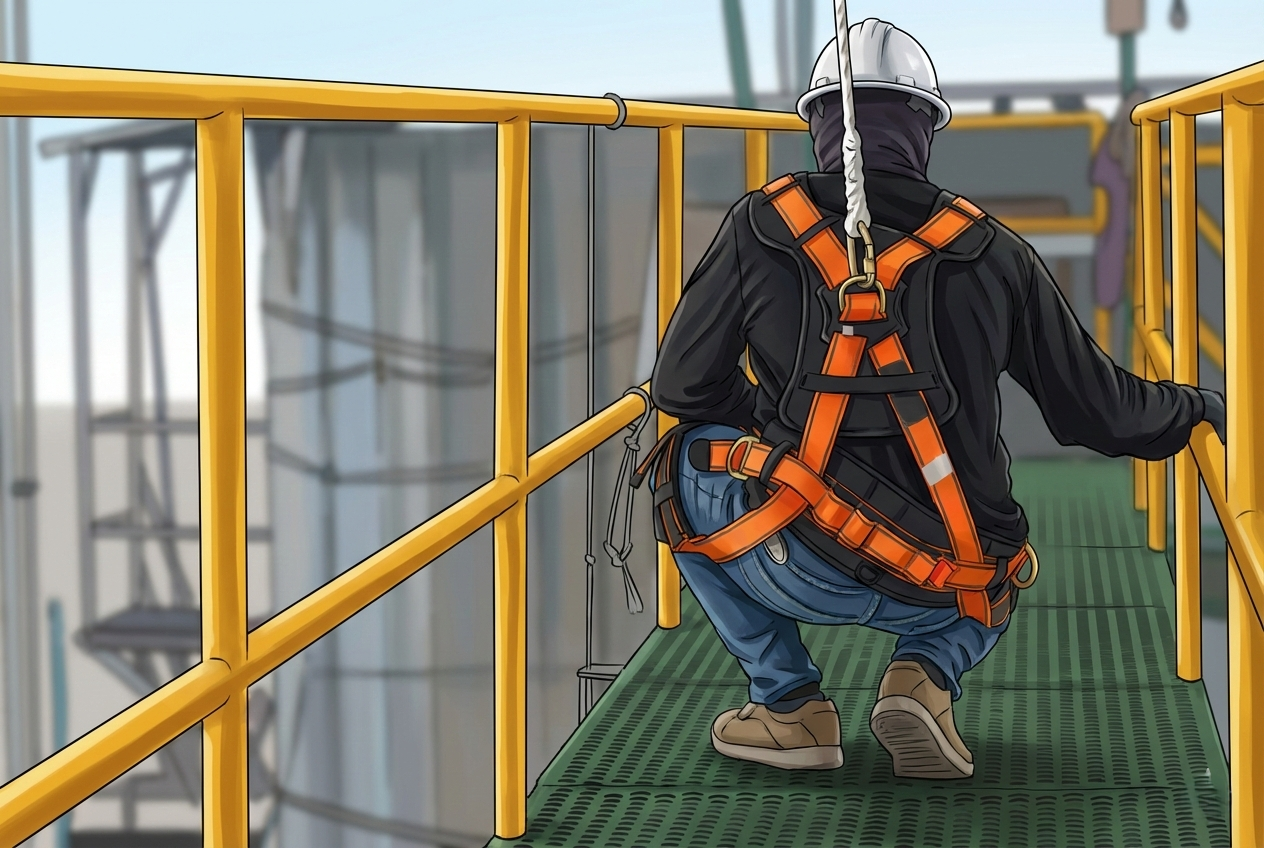
Culture is what happens when no one’s watching
Even with policies, procedures, and training, safety can still fall short. When plans change and time is tight, culture fills the gap between what’s written and what’s done.
This article is part of the Reactive vs Proactive: Safety in Practice series, exploring how safety shows up in everyday work.
Reactive Reality
In reactive environments, culture becomes a topic after an incident. A near miss happens, someone gets hurt, or quality takes a hit. Then the organization gathers the facts, reviews the procedure, and tries to understand what went wrong.
The problem is that by the time you are asking those questions, the informal rules have already been in place for a long time. People have learned what gets rewarded, what gets overlooked, and what creates friction.
It typically looks like production getting recognized more than safe execution, especially when schedules are tight. Over time, small deviations become “normal” because nothing happened last time, and people stop speaking up when they’ve seen concerns quickly dismissed as complaints or delays.
Proactive Perspective
In proactive environments, culture is built before pressure hits. Leaders assume that real work will be unpredictable. They plan for change, not just for ideal conditions.
This was explored more deeply in the article Safety You Can See. Live. Lead, how proactive leaders make culture visible through real-time decisions, especially when plans change and pressure rises. Proactive organizations shape the day-to-day behaviors that matter most when things stop going smoothly. They pay close attention to what gets reinforced consistently, not just what gets stated in a policy.
Culture is built through:
- What gets praised, such as good catches, thoughtful job setup, and someone speaking up early
- What gets corrected, such as rushing, bypassing controls, or continuing work after conditions have changed
- What gets ignored, because what leaders walk past becomes the standard people follow
Proactive safety is not softer. It is stronger because it reduces the need for last-minute decisions and risky improvisation. The goal is to make the safe way the normal way, even when no one is watching.
Frontline Insight
Frontline teams do not need another slogan. They need clear expectations and real support in the moments that matter. They also need confidence that raising an issue will lead to action, not blame.
Culture shows up in small decisions that happen every day:
- Does someone feel comfortable saying, “This changed, we need to reset the plan,” without being dismissed?
- When work is behind, do leaders ask what is needed to do it safely, or do they push for speed and hope the risks stay quiet?
- If someone stops a job for a real concern, are they supported in the moment and respected afterward?
One of the clearest indicators of culture is what happens after someone speaks up. If the response is consistent, respectful, and action oriented, people keep raising concerns. If the response is dismissive or delayed, people stop talking and risks grow in silence.
What This Means
To build a culture that holds under pressure, focus less on what is said and more on what is reinforced. Culture shows up in leadership response, crew adaptation, and organizational speed in supporting the safe choice.
Culture is reinforced in messy moments, when plans change and oversight is limited. When concerns are acknowledged and followed up on, speaking up becomes part of the job. When concerns are ignored or addressed only after an incident, pushing through becomes the norm.
Culture shows up in day-to-day interactions, not just meetings. Quick check-ins at the point of work, curiosity about what changed, and a willingness to pause and reset reinforce safety as a standard, not an interruption.
What gets overlooked becomes normal. When shortcuts and workarounds get a pass, they become “how it has always been done.” When deviations are noticed and treated as signals, systems improve and work gets done well, not just fast.
When proactive actions are noticed and recognized, those habits grow.
Culture isn’t what’s written on the wall.
It’s what happens when no one is watching.
Safer, by Design
About the Author
Terri Willis is the founder of TrueMomentum Safety. She aspires to equip everyone in your organization to make safety a natural part of how they work. Terri's insights help teams turn safety challenges into real solutions, creating workplaces that are Safer, by Design. You can learn more on the about page.